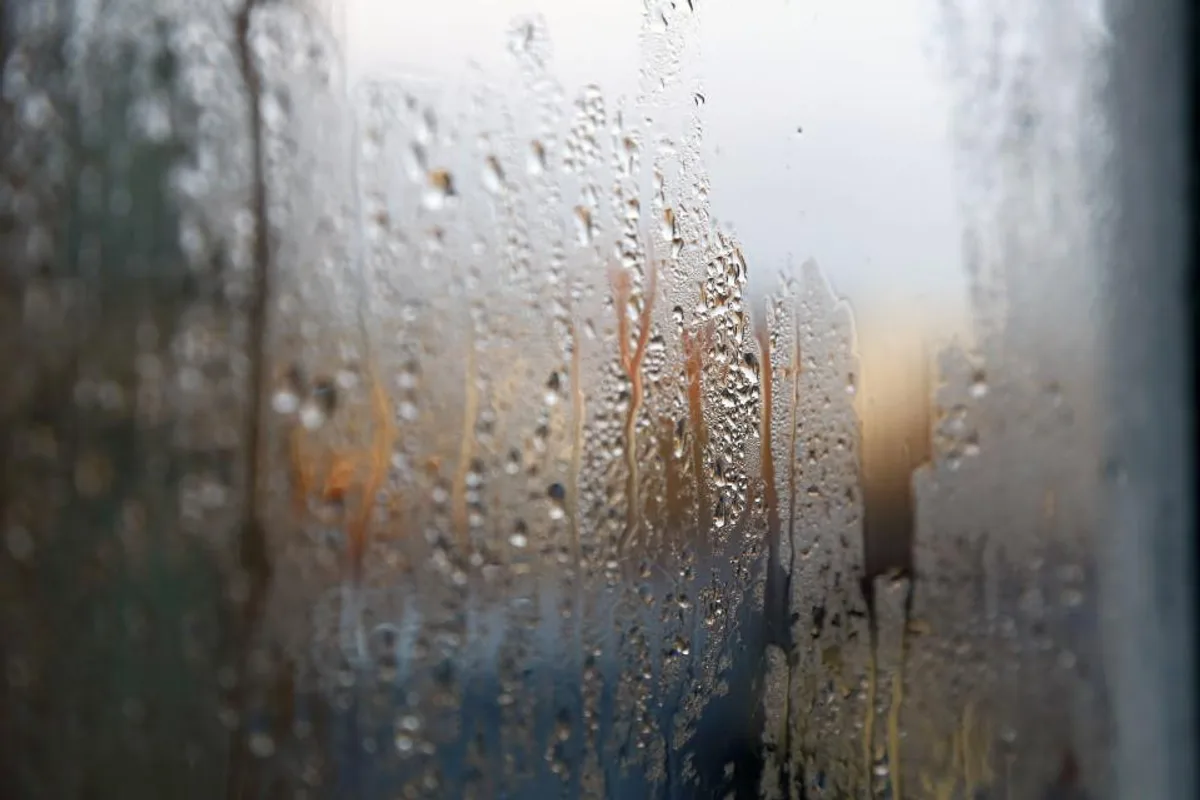

The white haze on a glass shower door is mostly minerals left behind each time water dries on it. Start with the mildest thing that could work: warm water, a drop of mild soap and a soft cloth. If that doesn't clear it, move to one part white vinegar in four parts water, rinse, and squeegee dry. Stop at the first step that leaves the glass clear. Scouring pads, metal brushes and scrapers stay out of the shower, because the maker of a coated door says they can scratch or dull the surface for good.
How hard is the water where you live
Hard water is water with a lot of dissolved calcium and magnesium. York Region tests it in every water system and posts the numbers on its drinking water quality page. About 80 per cent of the Region's water comes from Lake Ontario, through the City of Toronto and the Region of Peel. The Region's own scale calls 61 to 120 mg/L moderately hard, 121 to 180 hard, and anything above 180 very hard. Here are the averages it reported for the second quarter of 2026 in towns around Vaughan:
| Water system | Hardness (mg/L) | York Region's band |
|---|---|---|
| Vaughan | 128 | Hard |
| Kleinburg | 133 | Hard |
| Richmond Hill | 127 | Hard |
| Markham | 126 | Hard |
| Aurora | 130 | Hard |
| Newmarket | 141 | Hard |
| Keswick | 150 | Hard |
The same page says hard water makes soap difficult to lather and lets scale form in pipes and appliances. Glass gets the same treatment. Every drop that dries on the door leaves its share of minerals behind, and on a door nobody dries, those layers add up shower after shower.
Check whether your glass has a coating
Some doors leave the factory with an invisible coating that makes water bead and run off. Fleurco, a Canadian shower door maker, calls its version Microtek and keeps the care rules short. Its shower enclosure FAQ says a soft cloth is all the glass needs, that you should squeegee it after each use, and that the only solution it recommends is one part vinegar and four parts water. The same page warns:
Do not use abrasive cleaners, scrapers, metal brushes or any items or products that could scratch or dull the surface.
A quick way to see what you have: splash clean water on a part of the glass that looks clear. If it pulls into round beads and slides down, the coating is still working, and the gentle steps below are all you should ever use on it. If the water sheets out flat, the door may be uncoated, or the coating may have worn. The same gentle order still makes sense, since the next steps up are the ones that can mark glass. Your door's manual or the maker's site has the final word, and Fleurco asks you to test any product on a small spot that doesn't show before you use it on the whole door.
Go up one step at a time
Do this on a cool door, with the bathroom fan on. Every step ends with a rinse and a dry, so minerals from the rinse water don't settle right back on.
- Spray the whole door with warm water from the shower head and pull a squeegee down it, top to bottom, overlapping each stroke. If it was only a fresh film from last week, this may be enough. Stop here if the glass is clear once dry.
- Wipe the glass with a soft sponge or microfibre cloth and warm water with a little mild liquid soap. Fleurco's guide to maintaining a shower enclosure lists water with white vinegar or a mild detergent for the weekly clean. Rinse, squeegee, and look at the glass from the side against the light. Stop here if the haze is gone.
- Mix one part white vinegar with four parts water in a spray bottle. Wet the door, give it a few minutes, then wipe with the soft cloth, working small circles over the cloudiest areas, which are usually the bottom third and the corners. Rinse well with plain water and squeegee.
- Still cloudy in patches? Do step 3 again on another day. Two mild rounds are kinder to the glass and the frame than one strong one, and old build-up often comes away on the second pass.
- Finish by wiping the metal frame and the bottom track with a damp cloth, then drying them, so no vinegar mix sits in the corners.
If the door is still grey after two rounds of step 3, look at the next section before you buy anything stronger.
Popular tips that the glass maker rules out
Some of the advice you'll find this month works on plain glass in a hurry and ruins a coated door slowly. Here are the common ones, checked against the maker's rules quoted above.
Steel wool and scouring powder
Even the finest steel wool is a metal scrubber, and powdered cleansers work by grinding. Fleurco's maintenance guide says never to use scouring powder pads or sharp instruments on metal pieces or glass panels. A scratch in glass is there to stay, and no cleaner fills it back in.
Salt or baking soda pastes scrubbed hard
A paste is gritty by design. On coated glass that grit is the abrasive the maker warns about. If you have used one already, don't worry about the past, just go back to a soft cloth.
Razor scrapers
The FAQ names scrapers outright. A blade held at the wrong angle can leave fine lines that catch the light every morning.
The counter next to the shower
Look at what sits beside the door before you spray. Marble and limestone are mostly calcite, and the US Geological Survey explains that calcite dissolves easily in acid. Vinegar is an acid, so lay a damp towel over a marble sill, ledge or vanity top while you work, and wipe off any drips with plain water.
One product, then rinse
Most bathrooms have a bottle of bleach and an acidic toilet bowl cleaner under the sink, and that is exactly why this matters. Health Canada warns that bleach reacts with any cleaning product containing ammonia or an acid, including vinegar, and names glass cleaners and toilet bowl cleaners among the products that give off toxic gases when mixed with it. So if the shower walls were wiped with a bleach product today, leave the vinegar mix for another day. Rinse each product off with plain water before anything else touches the surface, and keep the fan running or a window open while you clean.
The 20-second habit that keeps it clear
Once the glass is clean, the work is keeping water from drying on it.
- Hang a squeegee inside the shower and pull it down the glass after every shower. It takes three or four strokes.
- Run the last stroke along the bottom edge, where drips collect and dry slowest.
- Rinse and dry the shower base too. Fleurco gives the same advice for bases, so hard water stains don't form there.
- Leave the fan on after you shower. We explained why the fan matters for the whole room in our article on black spots on window sills, and the same damp air settles on the shower door.
- Once a week, do steps 2 and 3 of the order above. On a door that is squeegeed every day, that's a five-minute job.
A water softener changes the water itself, which is a question for a plumber. Until then, drying the glass is what stops the minerals from staying.
When the haze won't move
Some doors stay cloudy after two gentle rounds. Hold a light at the side of the glass and run a dry fingertip over the worst spot. If the cloudiness seems to be in the glass and not on it, or the surface feels rough where the rest is smooth, more scrubbing will only add scratches. That is a question for a glass or shower door company, who can tell you whether the panel can be restored or should be replaced.
If you'd rather hand over the whole room, our bathroom deep cleaning page lists what gets done, from the shower tiles and fittings to limescale around the faucet, and a deep clean of the home takes in the bathrooms along with every other room. You can see real jobs on our before and after page.