
In Ontario a tenant has to leave the unit in a state of ordinary cleanliness: emptied out, garbage gone, the kitchen and bathroom cleaned the way you'd clean them for guests. You don't owe the landlord a professional clean or a spotless showroom, and the landlord can't hold back money from a deposit to pay for one, because Ontario doesn't allow cleaning or damage deposits at all.
That's the short version. The rest of this article shows where it comes from, so you can check it yourself, and which parts of an apartment people actually argue about.
The one sentence of law that covers cleaning
Ontario's Residential Tenancies Act, 2006 has a section on cleaning, and it is a single sentence. Section 33 reads:
The tenant is responsible for ordinary cleanliness of the rental unit, except to the extent that the tenancy agreement requires the landlord to clean it.
Two other sections sit next to it. Section 34 makes the tenant responsible for repairing undue damage caused by the wilful or negligent conduct of the tenant, someone else living there, or a guest. Section 20 puts the other side on the landlord: keeping the building and the unit in a good state of repair and fit to live in, even if you knew about a problem when you signed.
So the Act splits a moving day into three piles. Dirt is yours. Damage you or your guests caused is yours. Ordinary ageing of a home, like a carpet worn where people walk, belongs to the landlord, who has to keep the place in repair anyway.
Why your last month's rent isn't a cleaning fund
A lot of move-out advice online is written for the United States, where a landlord keeps a security deposit and subtracts cleaning from it. Ontario works differently. Section 105 of the Act says the only security deposit a landlord may collect is a rent deposit, and section 106 caps that deposit at one month's rent (or one rent period, if that's less) and applies it to the rent for the last period of the tenancy.
That means the landlord can't keep part of your last month's rent because the oven was greasy. If a landlord believes a former tenant left real damage, the route is an application to the Landlord and Tenant Board under section 89. The landlord can make it while you still live there, or up to one year after you've moved out. A dirty unit and a damaged unit are different claims, which is one more reason to leave the place clean and keep proof that you did.
Cleaning, wear or damage: sorting the usual spots
The table puts the common problem areas under those three sections. The middle column is about who answers for it; the right column is what to do on your last day.
| Spot in the unit | Whose job under the Act | Before you hand back the keys |
|---|---|---|
| Oven floor, racks and door glass with burnt-on food | Yours: cleaning (s. 33) | Clean it out. It's the appliance people leave for last and then run out of time for. |
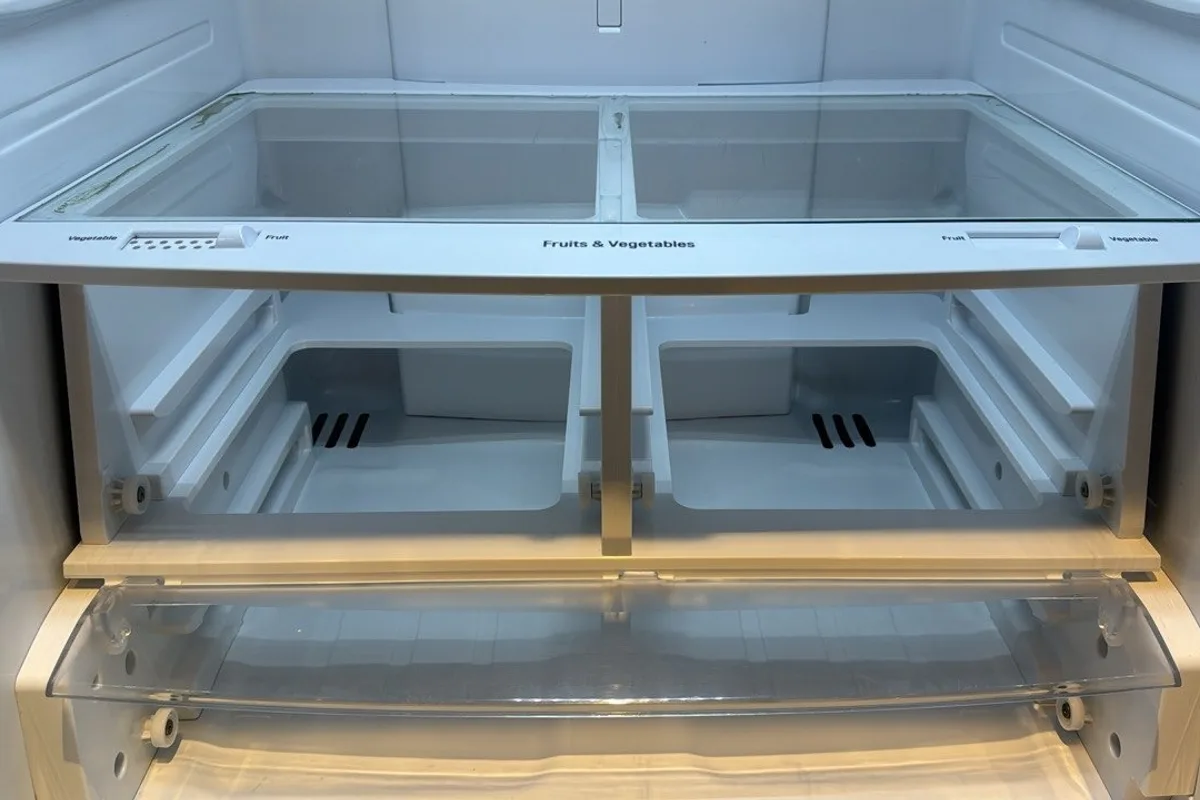
| Fridge shelves, crisper drawers, the gap under the drawers | Yours: cleaning (s. 33) | Empty it, pull the drawers out and wipe underneath. Ask the landlord whether to leave it running. |
| Toilet base, tub, sink, bathroom tiles | Yours: cleaning (s. 33) | Scrub the soap scum and the floor around the toilet, then let it dry before photos. |
| Range hood and its filter | Yours: cleaning (s. 33) | Take the filter down and degrease it, then wipe the steel. |
| Sun-faded paint, carpet worn along the hallway | Landlord: upkeep of the unit (s. 20) | Leave it, and photograph it so nobody mistakes it for something you did. |
| A hole punched in drywall, a burn mark on the counter | Yours if you or a guest caused it wilfully or by carelessness (s. 34) | Talk to the landlord before you leave rather than hoping it goes unnoticed. |
| Boxes, a mattress, a bag of garbage on the balcony | Yours: the unit has to be emptied | Take everything, including what's in the locker and the parking spot. |
None of this asks for anything unusual. It's the list a careful person works through when a home is empty and every shelf is finally reachable.
The last 48 hours in an empty unit
Order matters more than effort. Cleaning around furniture means cleaning twice, and photos taken before the bathroom dries show streaks that weren't there an hour later.
- Get everything out first: furniture, boxes, the things in the storage locker. Anything left behind blocks the corners and the baseboards you're about to clean.
- Check that the water and the lights will still be on. If you've already booked the utility transfer for moving day, make sure the date doesn't land before your cleaning.
- In a condo, book the elevator and tell the front desk if a cleaner is coming. Many buildings ask for a name at the desk.
- Clean from the top down: shelves and the top of the fridge, then counters and appliances, then baseboards, then floors last.
- Do the oven and the fridge early. They take the longest and they're the first things a new tenant opens.
- When everything is dry, walk through with your phone and take dated photos or a slow video of every room, inside the oven, inside the fridge and the bathroom.
- Hand back keys and fobs the way your lease or notice says, and keep a note of when and to whom.
When the lease says "professional cleaning"
Some leases include a line asking the tenant to pay for a professional clean or a carpet steam clean at the end. Section 33 sets the tenant's duty as ordinary cleanliness, and section 105 stops the landlord from taking money up front to cover it. Section 4 of the same Act says a clause in a lease that doesn't follow the Act is void, so a clause like that doesn't have the weight a landlord might expect.
Plenty of tenants still hire a cleaner, for a simpler reason: the move itself takes every hour they have. That's a choice, not a legal requirement. If you get a bill for cleaning after you've left and you don't agree with it, the Landlord and Tenant Board's guide to the Residential Tenancies Act is the place to start. The Act was amended in 2026 and the Board changed some of its processes on July 1 and September 21, 2026, so check its current notices before a dispute. This article is general information, not legal advice.
The things people forget to take
Section 41 of the Act lets a landlord sell, keep or otherwise dispose of property left in a unit that was vacated after a notice of termination or an agreement to end the tenancy. In other words, once you've moved out on notice, what you left can be thrown away. These are the things that usually stay behind:
- food in the freezer and condiments in the fridge door
- shower caddies, bath mats and the curtain liner
- the contents of the storage locker or the bike room
- items in the dryer, the dishwasher or under the kitchen sink
- wall hooks and adhesive strips, which are easier to remove gently than to explain later
- the parking spot: tires, bins, a broken chair
If you'd rather hand the cleaning to someone else
We clean empty homes for tenants moving out, for landlords between tenants and for people moving in. The list is the one on our move-in and move-out cleaning page, and the oven and fridge photos on our before and after page are from real jobs. Send the moving date and the size of the unit through the contact form.